
Ernexa Therapeutics is advancing a new generation of cell therapies to treat advanced cancers. Our platform is built on engineering induced pluripotent stem cells (iPSCs) into synthetic iMSCs – a specialized cell type uniquely capable of homing to sites of tumors.

Unlike autologous therapies requiring cell harvest from each patient or allogeneic approaches involving cells from numerous donors, Ernexa’s allogeneic and off-the-shelf therapy creates synthetic iMSCs from a single healthy donor and enhances them through bioengineering. We produce consistent, scalable therapies that can be used across multiple patients.
This approach addresses the limitations of earlier MSC-based treatments, like variability, immune rejection, and poor persistence, and enables disease-specific optimization of therapeutic potency. Through additional engineering, our iMSCs are designed to express potent cytokines, delivering immune-stimulating signals precisely where they’re needed most.

Checkpoint inhibitors have transformed cancer care, yet the majority of patients still do not respond. This is especially true for "cold" tumors that lack active immune cells that can infiltrate the tumor. A key barrier is the tumor microenvironment itself, which often blocks immune cells from entering and suppresses their activity once inside.
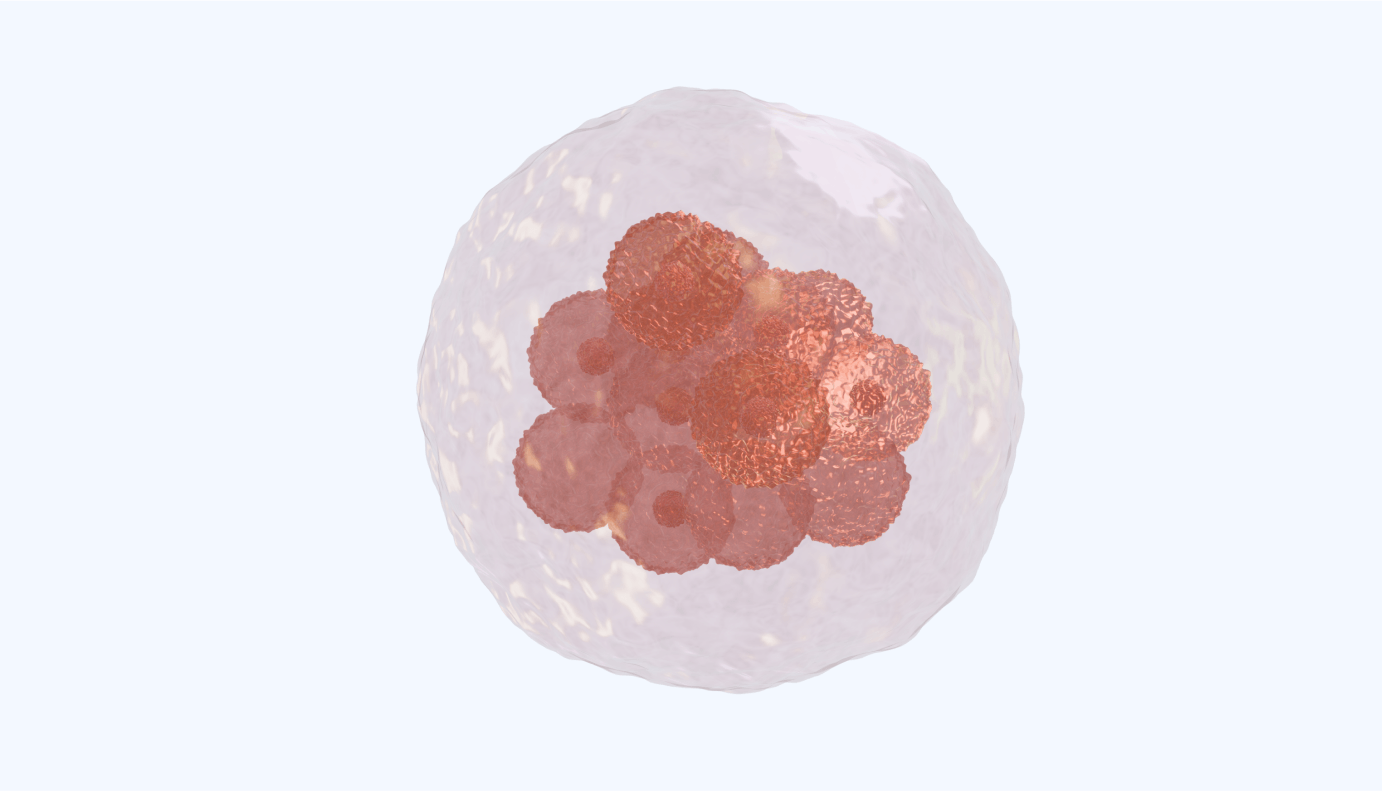
ERNA-101 uses Ernexa Therapeutics’ proprietary platform to engineer iMSCs from (iPSCs). These synthetic iMSCs are designed to home to tumors and deliver two powerful immune-activating signals – IL-7 and IL-15 – directly into the tumor microenvironment. Together, these cytokines help T cells and NK cells expand, infiltrate tumors, resist exhaustion, and sustain their anti-tumor activity.
By focusing on immune activation within the tumor itself, ERNA-101 aims to minimize systemic toxicity while enhancing the immune system’s ability to recognize and destroy cancer cells. This approach offers potential as both a standalone therapy and a synergistic partner to checkpoint inhibitors, T cell therapies, cancer vaccines, and other immuno-oncology strategies.
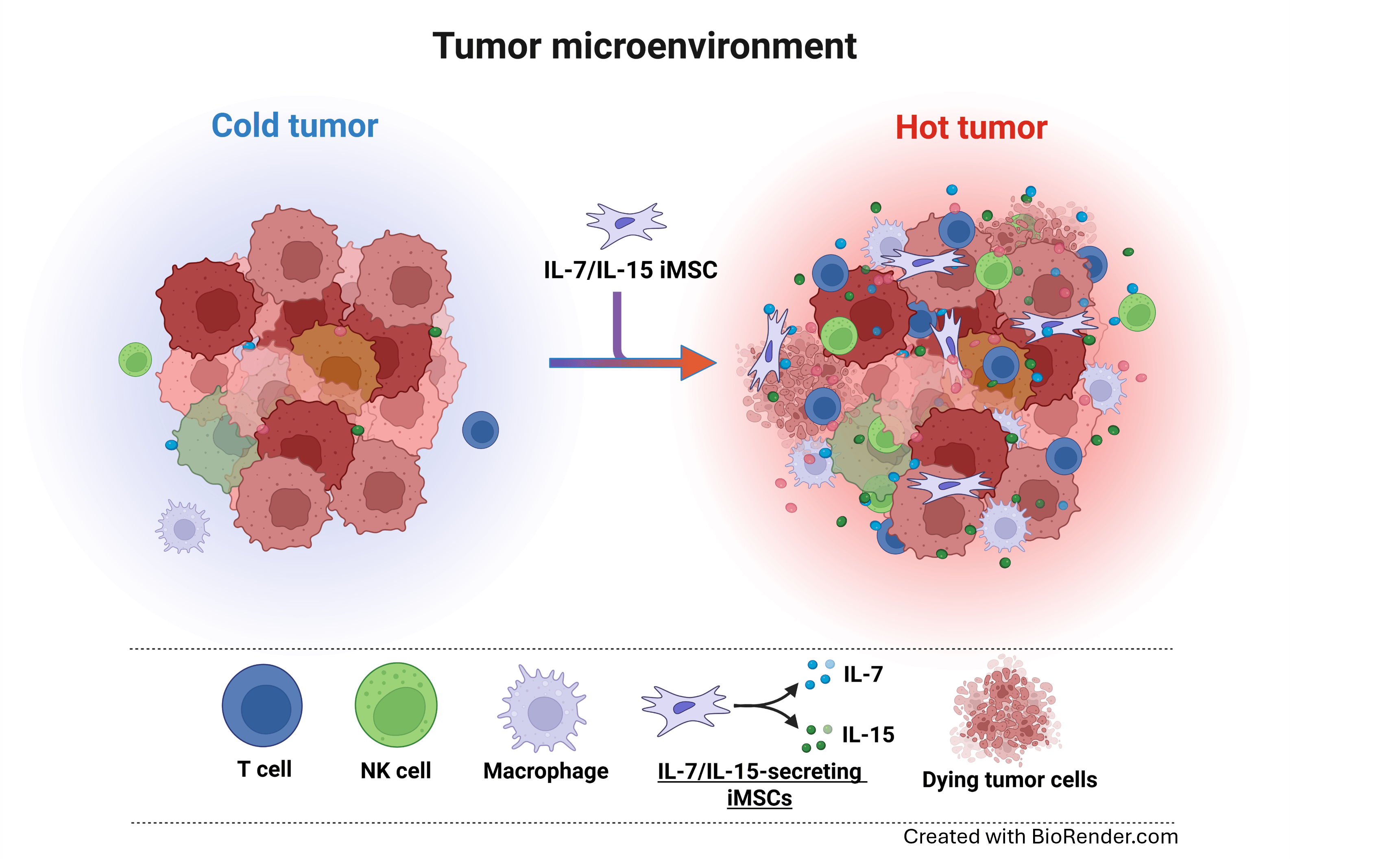
Ovarian cancer remains a challenging disease with few effective targeted therapies, limited immunotherapy success, high rates of recurrence, and frequent development of resistance to platinum-based chemotherapy.
Preclinical studies suggest that ERNA-101 cells specifically track to ovarian tumors, infiltrate into the tumor microenvironment, and trigger immune responses. This lays a strong foundation for improved outcomes in this difficult-to-treat cancer and beyond.

Scientific rigor is central to everything we do at Ernexa Therapeutics. Explore our published studies to learn more about the science behind our cell therapy platform and the data driving our work in oncology.